Laying Aside Expectations

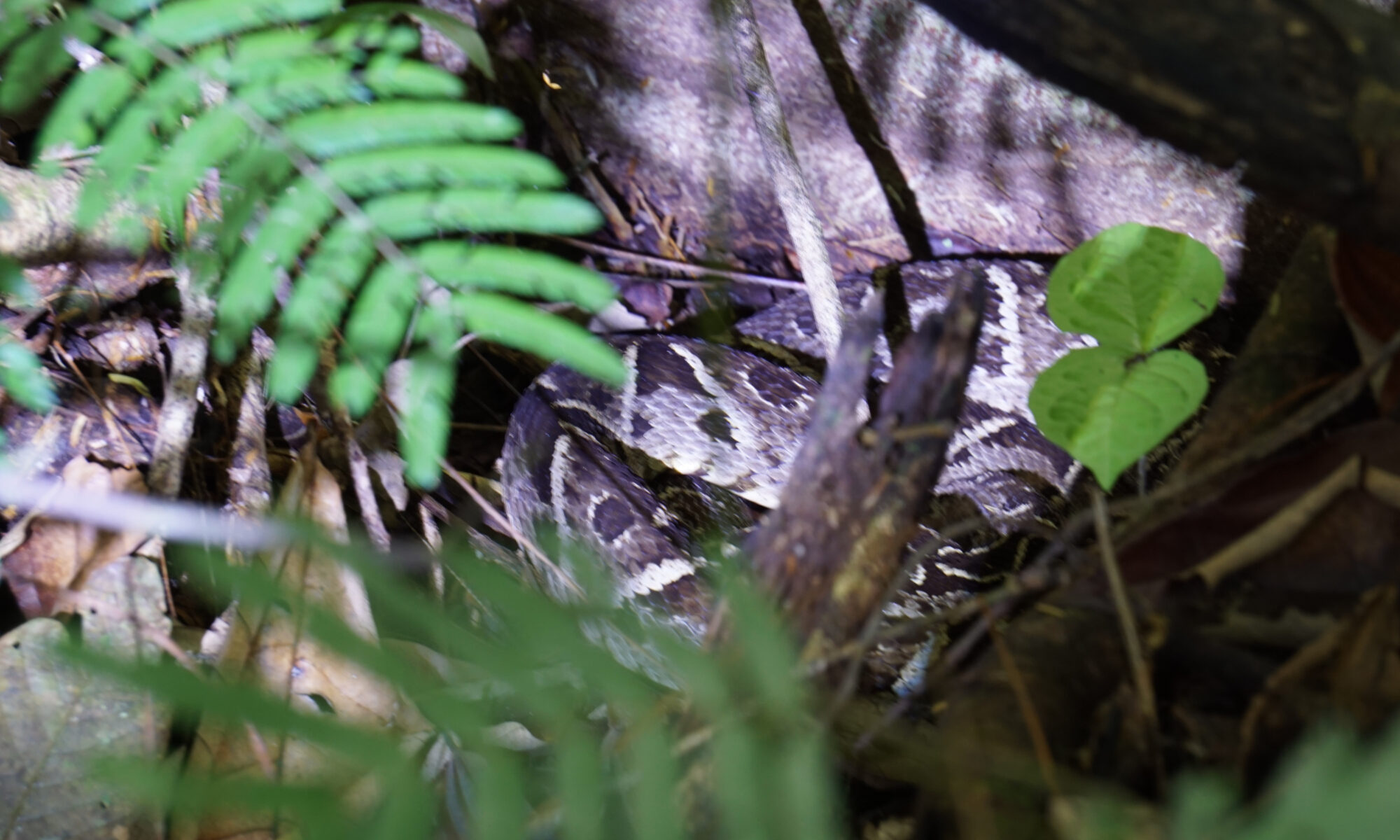
A snake in Costa Rica on the forest floor
Jeremiah 42:10 (ESV)—If you will remain in this land, then I will build you up and not pull you down; I will plant you, and not pluck you up; for I relent of the disaster that I did to you.

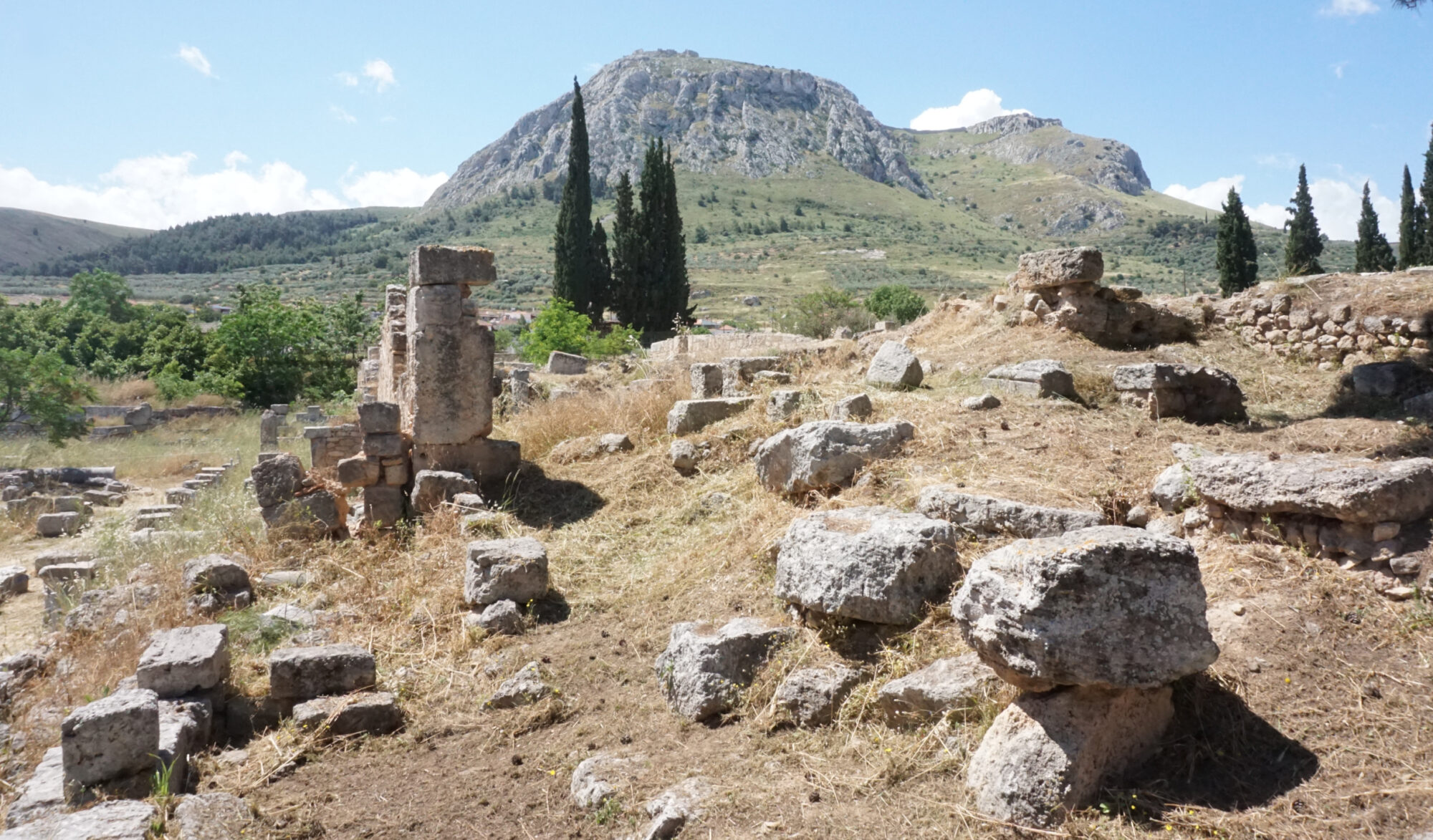
The sloths, it seemed, did want to meet my expectation of big sloths, little sloths, sloths everywhere, hanging onto tree limbs, at a non-eye-straining distance in the rainforest canopy.

The sloth in the canopy of the Costa Rican rainforest looked more like a squirrel’s nest. The creature lay in a crook of branches, unmoving, the details of its fur visible only through a spotting scope.

Later in the guided nature walk, a baby sloth clung to a tree (or so the guide said), camouflaged in vines so well my eyes did not behold its cuteness.

And as if to tease me about the park’s name, Sloth Park, other creatures revealed themselves: a poisonous tree frog, a viper, plain chachalacas (a type of ground bird), and a bird of black feathers and bright red belly.

Speaking of expectations, the remnant of Judah in Jeremiah 42—survivors of Ishmael’s brutal slaughter of their governor, Gedeliah—held high expectations for settling in Egypt. Their minds conjured a peaceful land with tables full of bread. Yet God’s answer to Jeremiah’s prayer on their behalf did not meet their intention settle in Egypt (Jeremiah 41:17). When God said stay and live in Geruth Chimham near Bethlehem or go and die in Egypt, the leaders accused Jeremiah of lying (Jeremiah 43:2) and led the people, including Jeremiah, to Egypt.

We are fortunate to live under God’s watchful eye (Jeremiah 24:6) when our expectations contrast with his plan. To receive clear, exact instructions from God is a blessing, for sure, and by acting on his command, we await his best to play out in our lives. Our anticipation, then, becomes, how will he build us up and how will he plant us, rather than how can God meet our expectations?

With these questions in mind, how do we lay aside our expectations? By living out God’s command, which support us in awaiting his plan. For example, we might memorize and study a verse of Scripture that reminds us of his plan (e.g., Jeremiah 29:11), seek joy in our trials (James 1:2), or pray then pray some more (1 Thessalonians 5:17). Yes, the Bible is our guidebook to setting aside our expectations and living our best life.
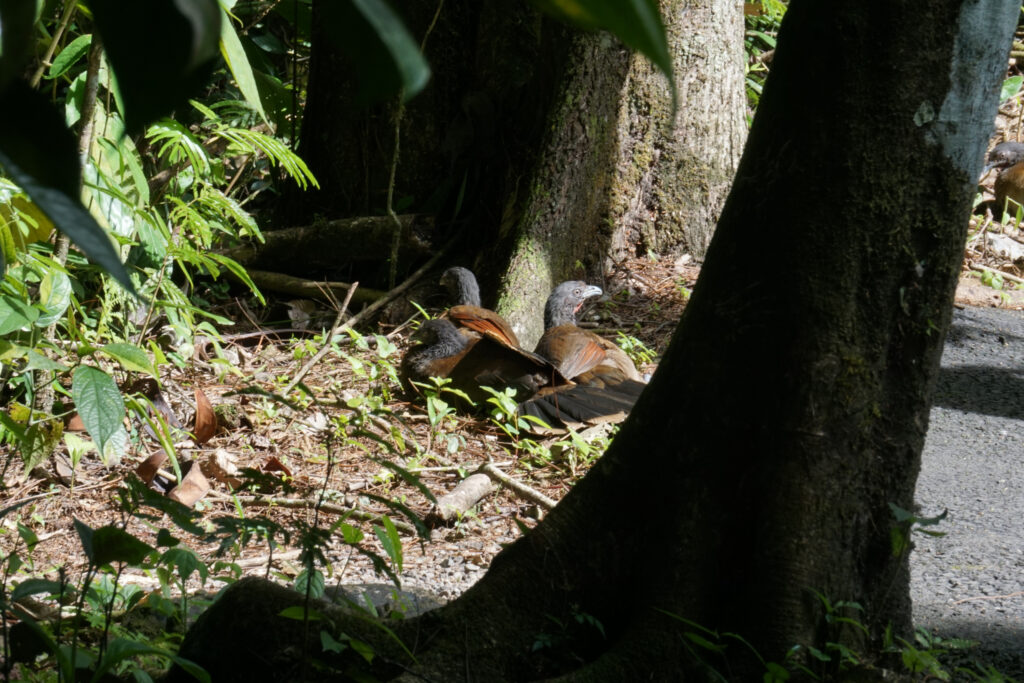
Plain chachalachas in a rainforest in Costa Rica

Boasting in Weakness

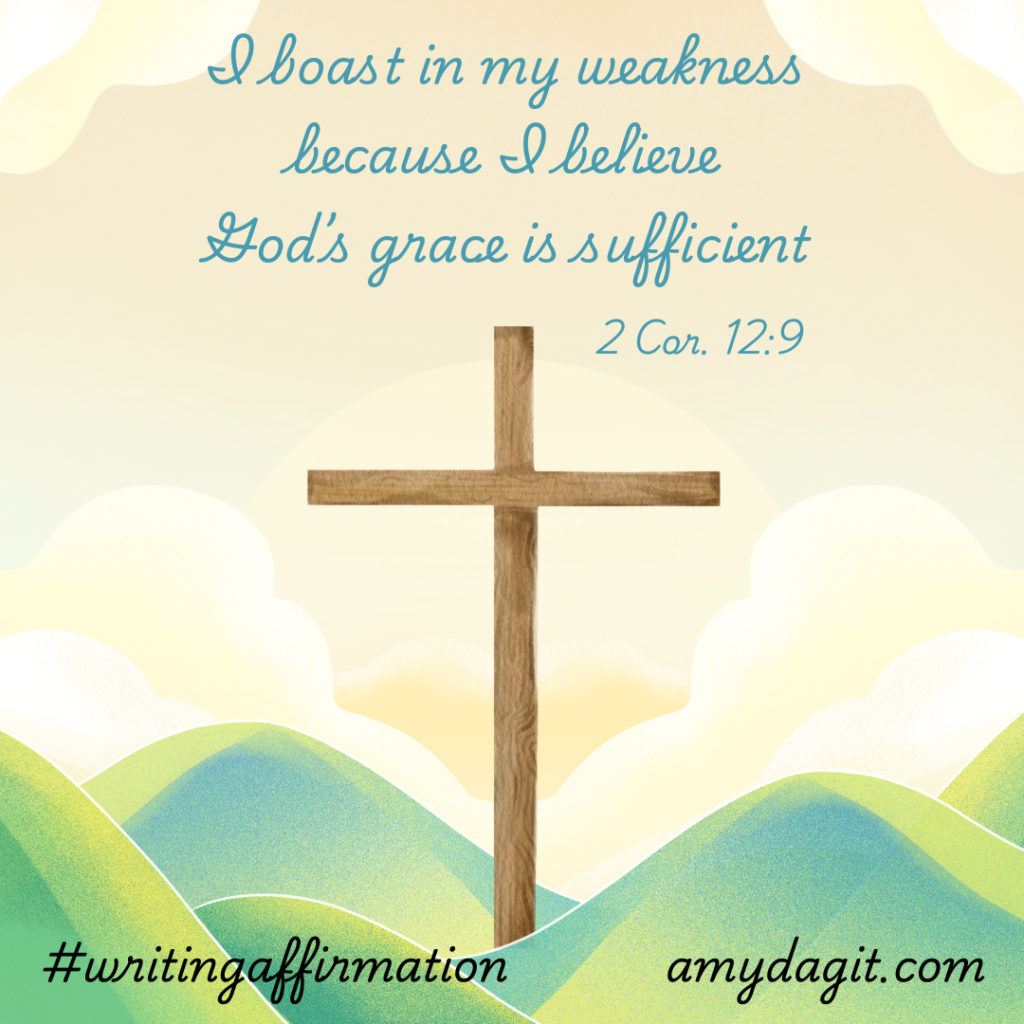
A color drawing of a cross on green hills and a sky of golden yellow clouds. The text reads: I boast in my weakness because I believe God's grace is sufficient. 2 Cor. 12:9. #writingaffirmation amydagit.com
2 Corinthians 12:9 (ESV)—But he said to me, “My grace is sufficient for you, for my power is made perfect in weakness.” Therefore I will boast all the more gladly of my weaknesses, so that the power of Christ may rest upon me.

Do you ever feel awkward sharing your writing with others? I sure do. Especially when I write devotionals and share intimate moments of my life, that is, those occasions when I display weakness.

After reading this verse, though, I feel better about sharing. When I write and share about my weaknesses, I am boasting in God’s power and the effect it’s had on my life. Moreover, through examples of my weaknesses, God can strengthen the faith of others and draw them nearer to him.

Think about his power the next time you’re biting your lip, wondering if you want to share a personal moment with an audience. Whose life might he change by drawing upon your weakness to perform his work? Indeed, by his grace, our weakness is powerful.

Seeking the Breath of God

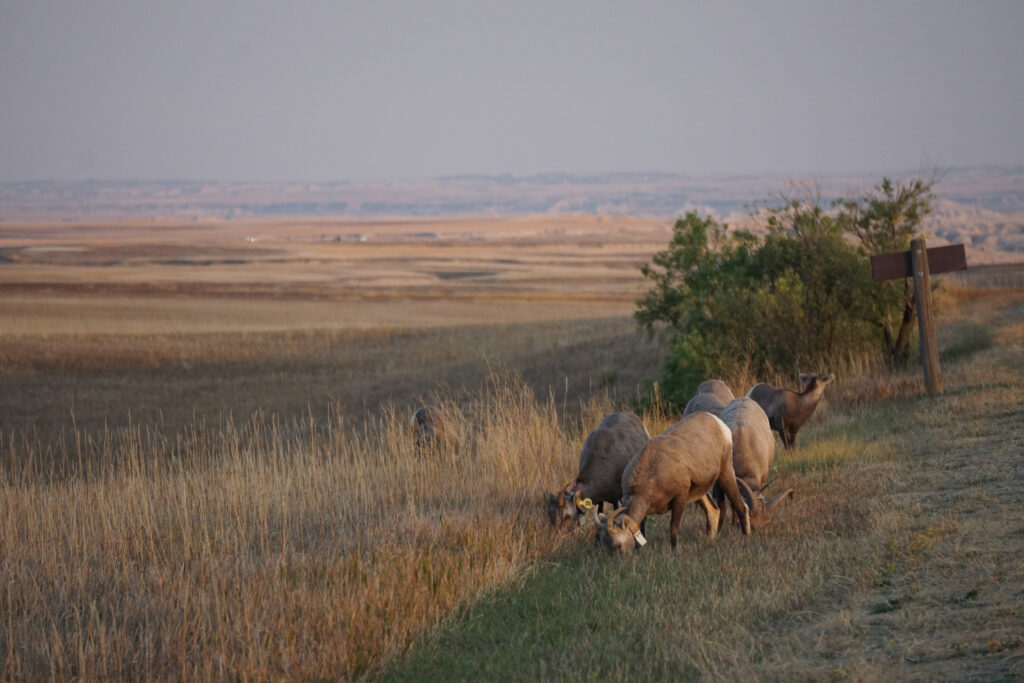
Bighorn sheep eating grass on the roadside at Badlands National Park
Acts 17:26–27 (ESV)—And he made from one man every nation of mankind to live on all the face of the earth, having determined allotted periods and the boundaries of their dwelling place, that they should seek God, and perhaps feel their way toward him and find him. Yet he is actually not far from each one of us.

The bighorn sheep in Badlands National Park stood at the roadside. They munched on grass, not a care in the world about the human snapping photos from up the road.

Later in the day, while flipping through the photos on the camera screen, I noticed something. The bighorn sheep had collars around their necks, GPS tracking devices that allow for monitoring the species.

Thankfully, God created us with his own breath and not a tracking device. This mark is God’s promise he’ll guide us when we seek him.

To seek God, we choose not to weary ourselves with human ideas. Perfection. Individualism. Money. Fame. Ideas with no end result or outcomes that fade with time.

We choose, instead, to simply pray to the God who remains with us and controls the universe and all that is in it.

Listening Then Submitting

Isaiah 55:2 (ESV)—Why do you spend your money for that which is not bread, and your labor for that which does not satisfy? Listen diligently to me, and eat what is good, and delight yourselves in rich food.

My husband and I sat on old theater seats in the back of a listening room in Nashville’s Gulch neighborhood. When the bluegrass band stepped onto the stage and the leader spoke into the microphone, a hush settled over the room. After introductions, they began to play.

My body responded to the rhythm. My head bopped; my toes tapped. I not only listened to the music but also allowed it to feed my spirit.

I think this feeling translates well to the verse for today. When we go into a listening room with God, he quenches our spiritual thirst with the rhythms of the Holy Spirit, the “rich food.”

To continue to partake in the rich food requires us to continue seeking his will and acting in obedience when he speaks. We first listen to God’s voice then submit to the rhythms of the Holy Spirit.

Gathering in Christ’s Name

Acts 10:33 (ESV)—"So I sent for you at once, and you have been kind enough to come. Now therefore we are all here in the presence of God to hear all that you have been commanded by the Lord.”

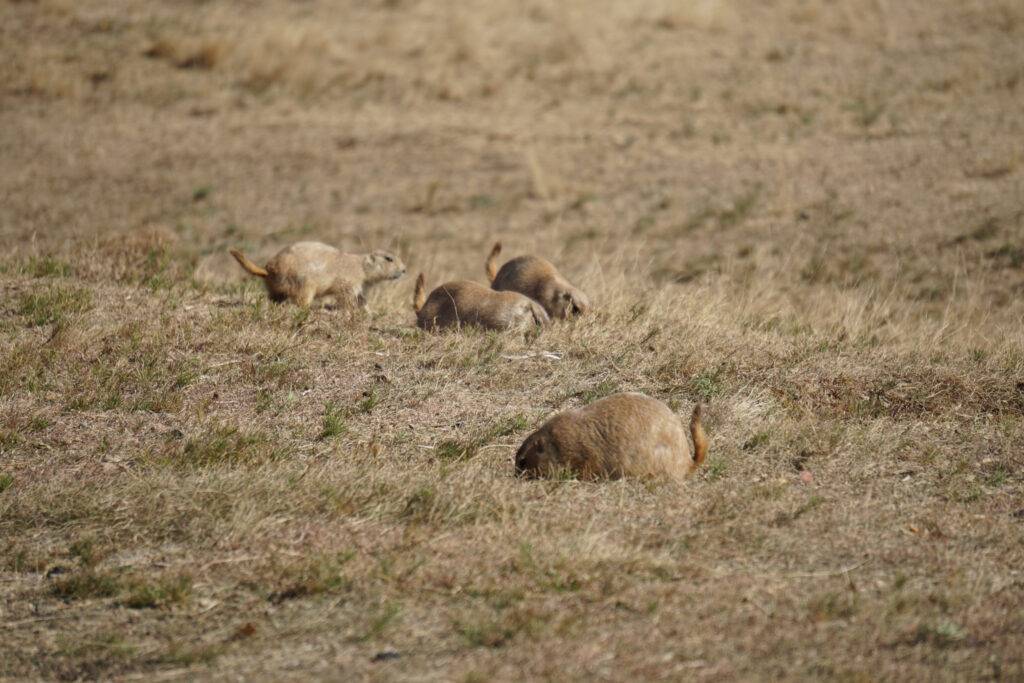
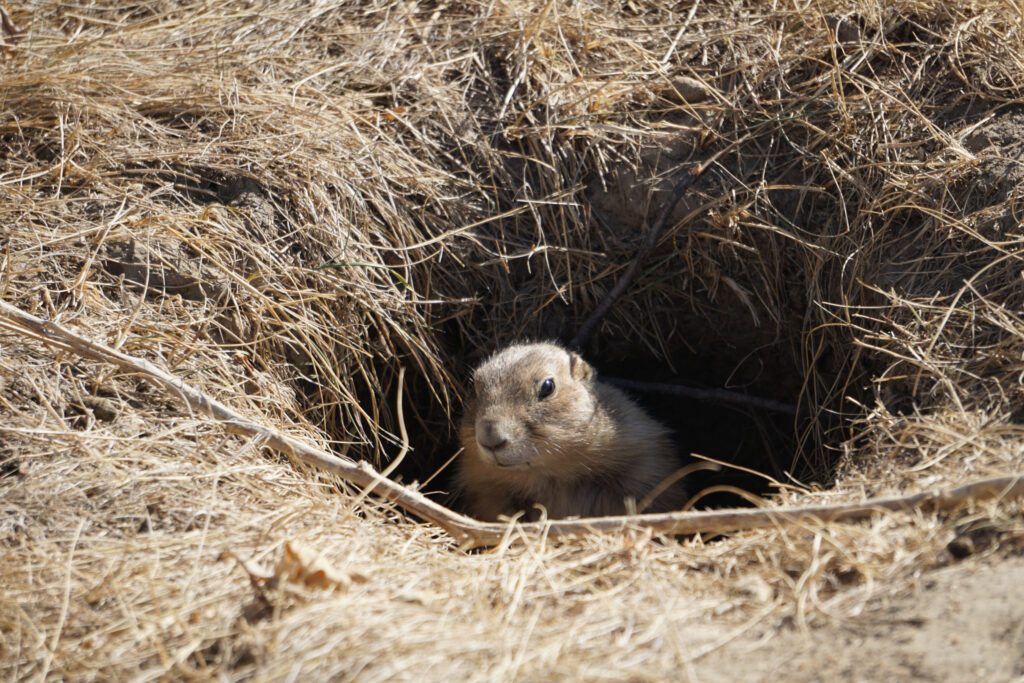
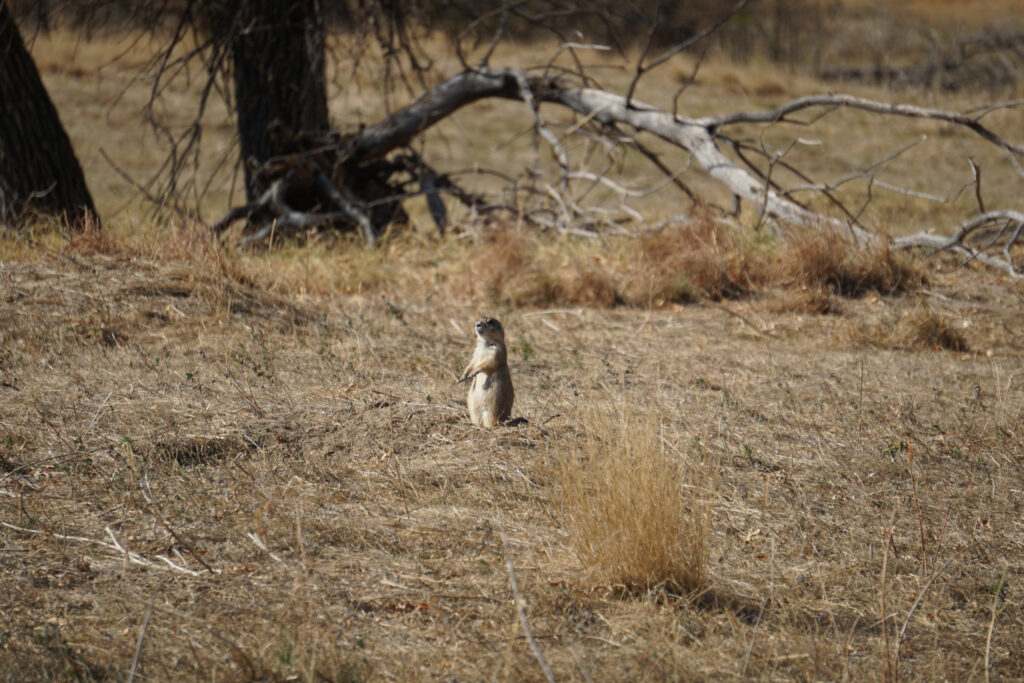
They stand on mounds of dirt, stick their heads out of burrows, and generally scamper about the grassy field known as Prairie Dog Town. I lift my camera and aim the lens at the prairie dog peeking out of its burrow. Another sits yards away, chewing on the grass. Still another sits upright, head moving side to side as if in search of danger.

Without this keystone creature, the ecosystem at Devils Tower National Monument and nearby Badlands National Park could collapse. The black-footed ferret could starve without its meal of prairie dog, burrowing owls couldn’t claim abandoned prairie dog burrows for homes, and the grass would grow tall and prevent other plants from sprouting.

Likewise, without the keystone of community, the wheels of Christianity could stop turning. Without gatherings, there is no listening, no sharing. Without the exchange of information, truth remains hidden in the shadows.

For Simon Peter, an invitation to share the gospel turned into a learning experience when the truth came out of the shadows. He recognized salvation was not only for Jews but also for Gentiles—for everyone!

For sure, gathering in Christ’s name causes the wheels of Christianity to move. Community creates a space of listening and learning, of sharing and hearing—a place where God reveals truth.

Allowing God to Lift Us

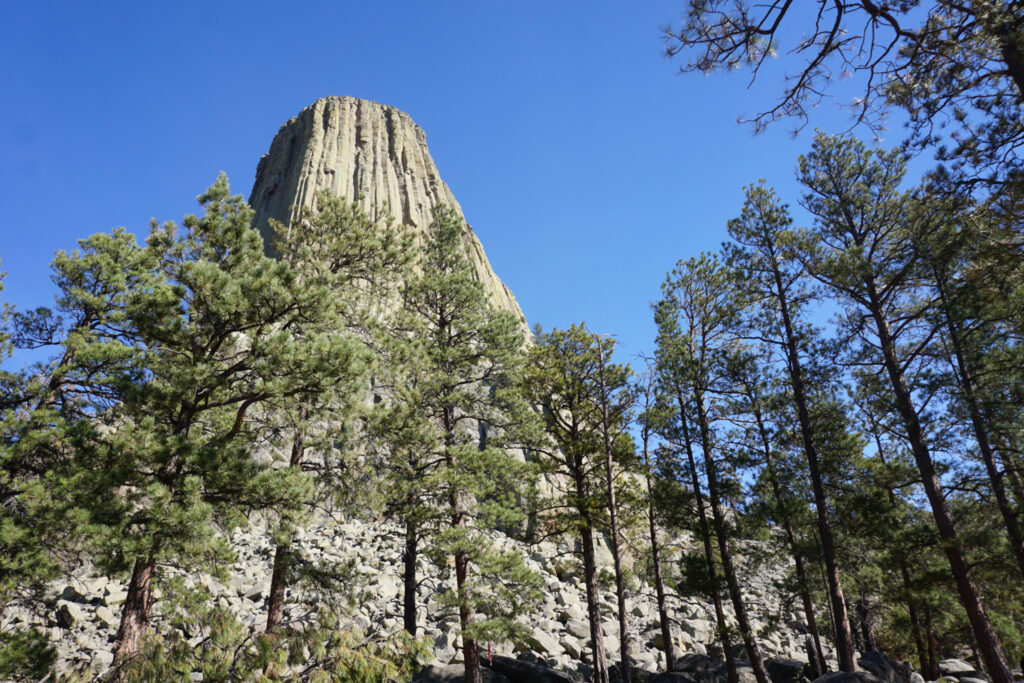
Devils Tower National Monument in the background of a grove of pine trees.
Psalm 27:5 (ESV)—For he will hide me in his shelter in the day of trouble; he will conceal me under the cover of his tent; he will lift me high upon a rock.

Though there are many formation theories of Devils Tower National Monument, my favorite is the Native American belief the Great Spirit made the rock rise from the ground to save a pair of girls running from giant bears. The steep rock lifted the girls too high for the bears to climb and the striations in the rocks are claw marks from the bears trying to chase the girls. (See the NPS website for the complete story and other stories.)

Like the Great Spirit, God lifts us from danger to put us in a place of safety. He lifted Noah and his family in an ark to survive the flood. He lifted people from the alienating bonds of sickness. He even lifted people from death.

Because God has our best in mind, we can trust he will lift us high on a rock in times of tension. In this safe space, we experience comfort in loss, celebration in overcoming, peace amid anxiousness, love during loneliness, and release of fear.

For these things and so much more, our God is worthy of praise. Today, let’s tell him the strife we’re facing and allow him to lift us high upon a rock.

Looking Beyond Dull-Brown Limbs

Psalm 29:9 (ESV)—The voice of the Lord makes the deer give birth and strips the forests bare, and in his temple all cry, “Glory!”

Brown leaves covered the West Mountain Trail in Hot Springs National Park. I’d been hoping to witness autumn color in a third destination this year. Instead, I gazed up at bare branches, dull-brown-colored limbs offering not a single picture-perfect scene for my travel photo collection.

A disappointment, for sure, but not as big of a letdown as missing Gods’ voice as the pagans did. Forces of nature the pagans viewed as their gods’ anger, David used to describe his all-powerful God, the Force of Nature.

It is this Force who strips us bare and calls our name. Paying attention to this voice reveals bare branches that frame a clear blue sky and allow sunlight to flood the forest floor.

Indeed, tilting our listening ear toward our Father’s voice when life’s branches feel bare allows us to cry “Glory!” when we hear the pitch-perfect thunder of God’s voice.