Being Slothful

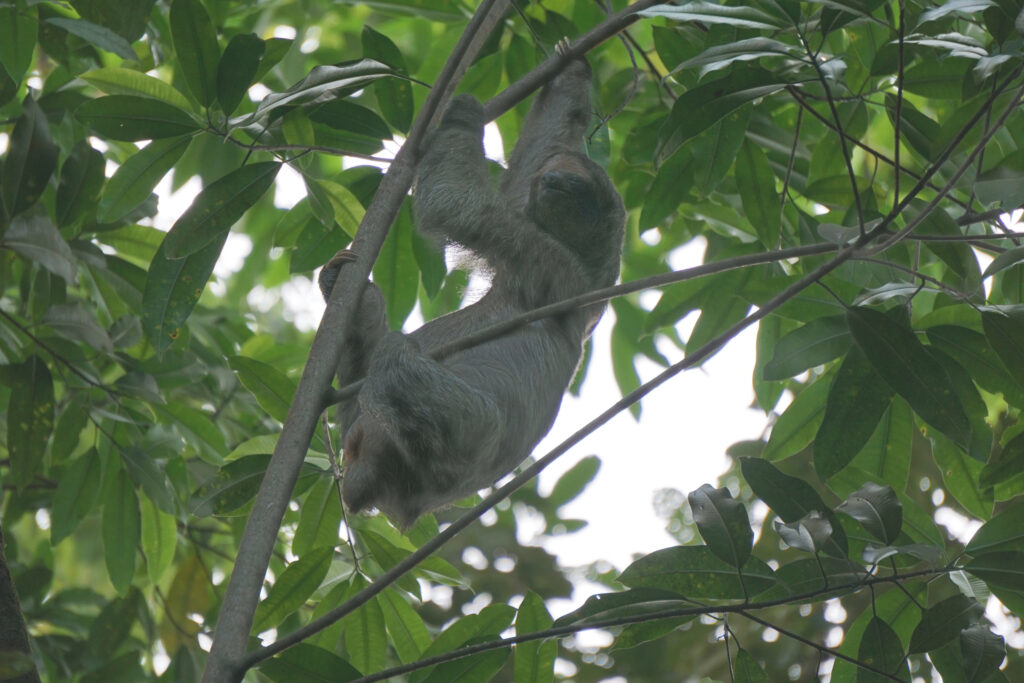
A sloth hanging from the rainforest canopy in Costa Rica.
Proverbs 13:4 (ESV)—The soul of the sluggard craves and gets nothing, while the soul of the diligent is richly supplied.

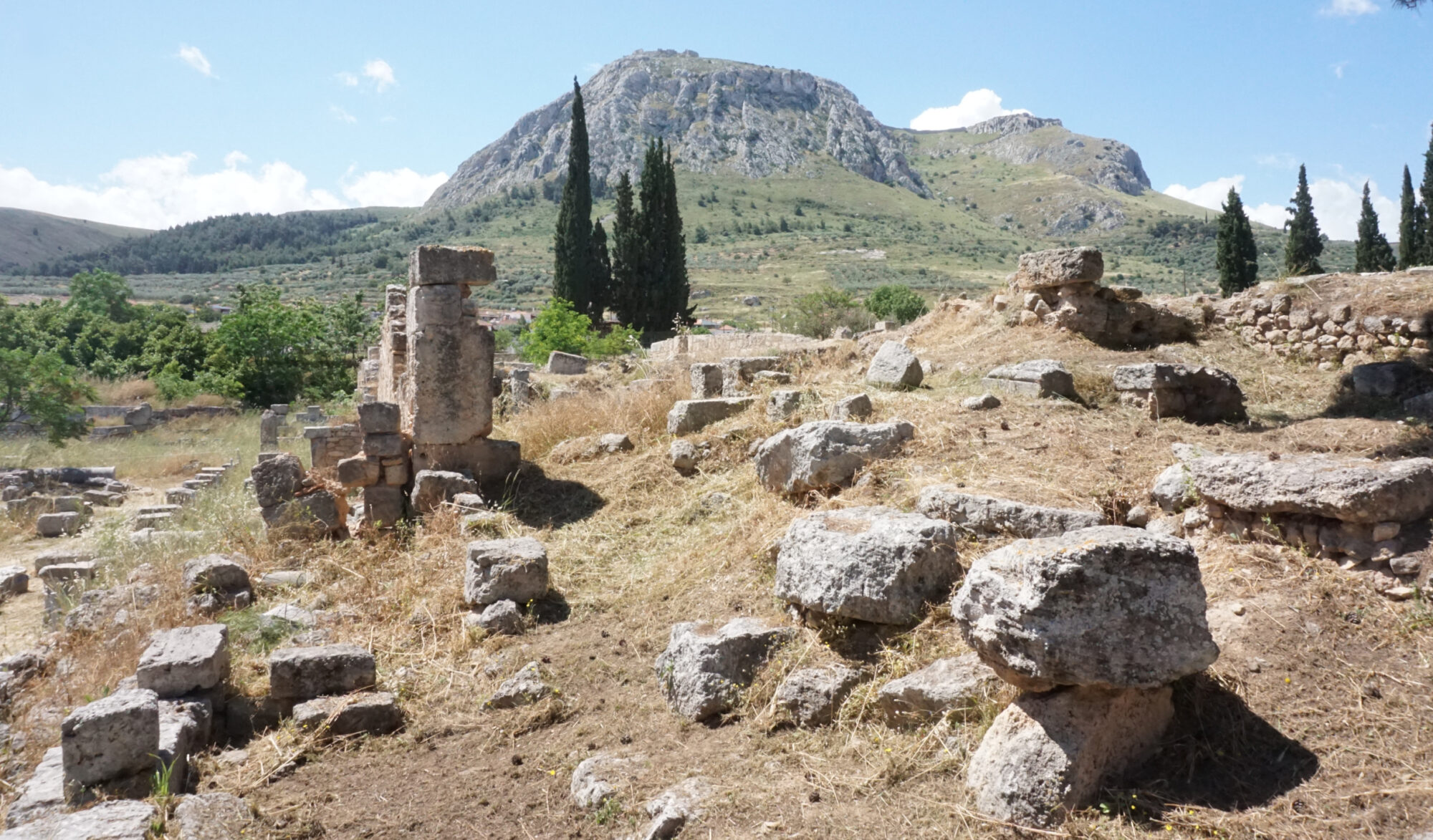
Have you ever seen a sloth in a tree in the rainforest canopy? This adorable creature hangs by three legs while the other, ever so slowly, reaches for a leaf to munch on or a limb to climb. This mammal’s sluggish movement, in fact, ensures its survival. The slowness of the sloth helps it evade the eyes of visual predators such as jaguars and eagles, and the green tint of its fur, caused by algae, provides camouflage in the canopy. Moreover, its lack of speed allows it to test each branch before committing its full weight to it, preventing falls from high in the canopy.

Why, then, does the term “sloth” have a negative connotation today? Simply, it comes from the Middle English slouthe, meaning “indolence, sluggishness, neglect of responsibilities.” Unfair, if I do say so, to mark a creature of God’s design with such a definition; thus, I dare to uplift the sloth as the “soul of the diligent” in Proverbs 13:4.

Whereas God richly supplies the sloth with techniques to survive in the wild, he desires to grant us more: eternal life. He wants us to move with his plan, using slow, deliberate intention, when necessary, to prevent ourselves from falling from the canopy.

Indeed, slow is the way to go in some scenarios. For instance, James 1:19–20 says, “let every person be quick to hear, slow to speak, slow to anger, for the anger of man does not produce the righteousness of God.” In other words, the diligent soul deliberately thinks about their emotional nature and chooses slowness and receives the righteousness of God in return for their faithful following of God’s Word.

What’s more, God also acts with slowness (Exodus 34:6; Numbers 14:18; Nehemiah 9:17; Psalm 86:15) and is “not slow to fulfill his promise as some count slowness, but is patient toward [us], not wishing that any should perish, but that all should reach repentance” (2 Peter 3:9). This means that although the path to fulfilling God’s plan may seem long, God lavishes us with steadfast love to support us and leads us to eternal life.

Without a doubt, the person with the sloth’s soul is not slow and lazy but rather slow and intentional, desiring to follow God and gain the greatest reward. This soul benefits from the rich supply of God’s steadfast love, mercy, and grace, as well as his commandments of how to live. This individual “draws near to God [and believes] that he exists and that he rewards those who seek him” (Hebrews 11:6).

Because of this faith, this person does the slow work of preparing for the coming of Christ by memorizing and studying Scripture, giving up idols, seeking advice from fellow Christians, and thinking before speaking, among other actions.

To sum it up, the slothful soul is slothful when necessary, to ensure their life reflects God’s Word.


Trusting in the Fabric of His Plan

Exodus 15:20 (ESV)—Then Miriam the prophetess, the sister of Aaron, took a tambourine in her hand, and all the women went out after her with tambourines and dancing.

Throughout San Juan, music flows through the doors of restaurants and bars. Music pours from speakers the residents carry.

At one point, while I sat with my husband at an outdoor tea and coffee kiosk, one customer’s speaker played soft guitar strains and Latin beats flowed from another’s. And after visiting for a few days, I realized that music blending together in the streets is part of the island’s fabric of the life.

In several parts of the Bible, dancing due to victories over enemies is part of the fabric of life. Take, for example, the prophet Miriam’s song and dance in Exodus 15:20: “Then Miriam the prophet, Aaron’s sister, took a timbrel in her hand, and all the women followed her, with timbrels and dancing.”

However, as charming as this scene is, her dancing didn’t come immediately. First, she had to learn to trust God with her troubles. For instance, Miriam learned the hard way that God appointed his servant Moses. Her attempt at gaining more power ended in leprosy and seven days of banishment from the Israelite camp (Numbers 12).

Better the former than the latter, right? Well, we can’t have one without the other.

Our relationship with him involves both troubles in our lives and trust in his blend of music for our lives. His love for us comes in comfort and peace during trials. It comes in the form of encouragement from family and friends. For these situations, we can still worship by bowing down in humility to the One who has designed for us a plan.

Indeed, not every situation is going to make us want to dance. But some are, and for these, God deserves our raised hands, our songs of praise, our bodies swaying to the fabric of his plan.

Pressing on Toward Hope

A winding mountain road shrouded in clouds.
Exodus 5:7 (ESV)—“The Egyptians shall know that I am the Lord, when I stretch out my hand against Egypt and bring out the people of Israel from among them.”

The arrow on the GPS screen bounced like a Ping-Pong ball. It faced north, then south, then east and west. It located my husband and I on at least three different Chicago streets. We needed only the one direction, the way to the interstate. We drove onward until the arrow meandered along the blue line for blocks at a time.

Moses and Aaron, too, pressed onward to travel to the wilderness to offer sacrifices to God. Like our route, their route to exodus from Egypt included a few trials. Pharaoh’s sorcerers and magicians repeated God’s signs—a staff into a snake, the plague of blood, the plague of frogs—to Moses and Aaron. Even once Pharaoh’s people couldn’t repeat the signs, Pharaoh reverted his promise to release Moses and Aaron along with the Israelites into the wilderness to offer sacrifices to God.

However, God had a plan for these signs and wonders: irrefutable proof of his sovereign reign.

In the trials of everyday life, the route we travel is not perfectly mapped out. Road blocks force a change of direction. Fog makes it hard to see where we’re going. Severe weather stops our trip altogether. Yet God is always leading us toward his truth during these uncertainties, toward hope.

To walk toward hope, we cannot harden our hearts as did Pharaoh. Instead, we can open our hearts to God’s divine direction and seek irrefutable proof of his sovereign reign.