Being Slothful

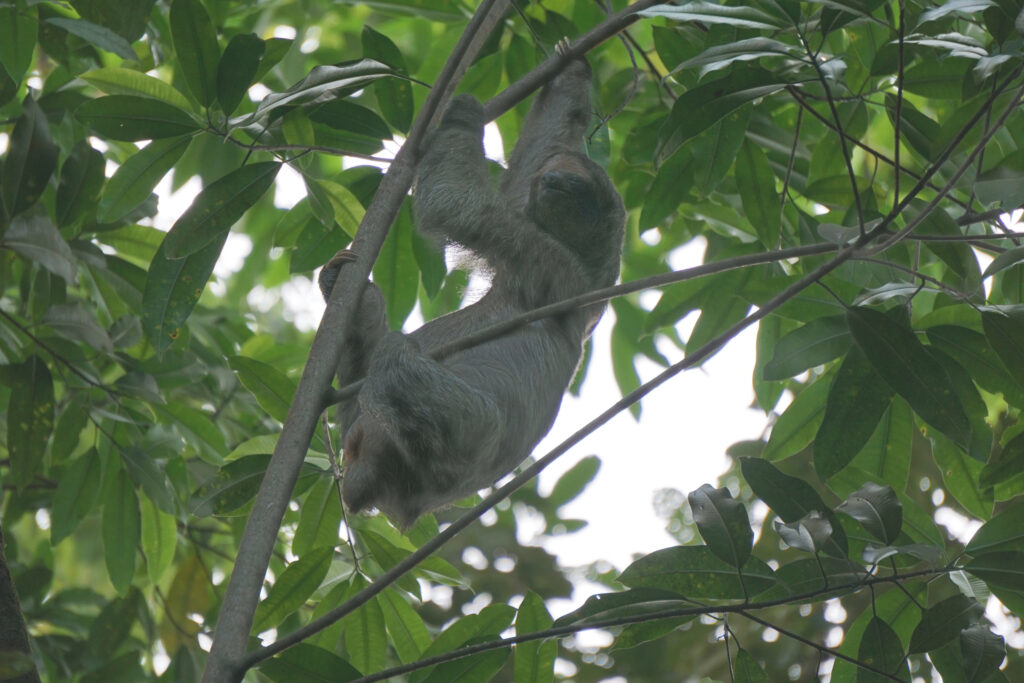
A sloth hanging from the rainforest canopy in Costa Rica.
Proverbs 13:4 (ESV)—The soul of the sluggard craves and gets nothing, while the soul of the diligent is richly supplied.

Have you ever seen a sloth in a tree in the rainforest canopy? This adorable creature hangs by three legs while the other, ever so slowly, reaches for a leaf to munch on or a limb to climb. This mammal’s sluggish movement, in fact, ensures its survival. The slowness of the sloth helps it evade the eyes of visual predators such as jaguars and eagles, and the green tint of its fur, caused by algae, provides camouflage in the canopy. Moreover, its lack of speed allows it to test each branch before committing its full weight to it, preventing falls from high in the canopy.

Why, then, does the term “sloth” have a negative connotation today? Simply, it comes from the Middle English slouthe, meaning “indolence, sluggishness, neglect of responsibilities.” Unfair, if I do say so, to mark a creature of God’s design with such a definition; thus, I dare to uplift the sloth as the “soul of the diligent” in Proverbs 13:4.

Whereas God richly supplies the sloth with techniques to survive in the wild, he desires to grant us more: eternal life. He wants us to move with his plan, using slow, deliberate intention, when necessary, to prevent ourselves from falling from the canopy.

Indeed, slow is the way to go in some scenarios. For instance, James 1:19–20 says, “let every person be quick to hear, slow to speak, slow to anger, for the anger of man does not produce the righteousness of God.” In other words, the diligent soul deliberately thinks about their emotional nature and chooses slowness and receives the righteousness of God in return for their faithful following of God’s Word.

What’s more, God also acts with slowness (Exodus 34:6; Numbers 14:18; Nehemiah 9:17; Psalm 86:15) and is “not slow to fulfill his promise as some count slowness, but is patient toward [us], not wishing that any should perish, but that all should reach repentance” (2 Peter 3:9). This means that although the path to fulfilling God’s plan may seem long, God lavishes us with steadfast love to support us and leads us to eternal life.

Without a doubt, the person with the sloth’s soul is not slow and lazy but rather slow and intentional, desiring to follow God and gain the greatest reward. This soul benefits from the rich supply of God’s steadfast love, mercy, and grace, as well as his commandments of how to live. This individual “draws near to God [and believes] that he exists and that he rewards those who seek him” (Hebrews 11:6).

Because of this faith, this person does the slow work of preparing for the coming of Christ by memorizing and studying Scripture, giving up idols, seeking advice from fellow Christians, and thinking before speaking, among other actions.

To sum it up, the slothful soul is slothful when necessary, to ensure their life reflects God’s Word.


Remembering God’s Faithfulness

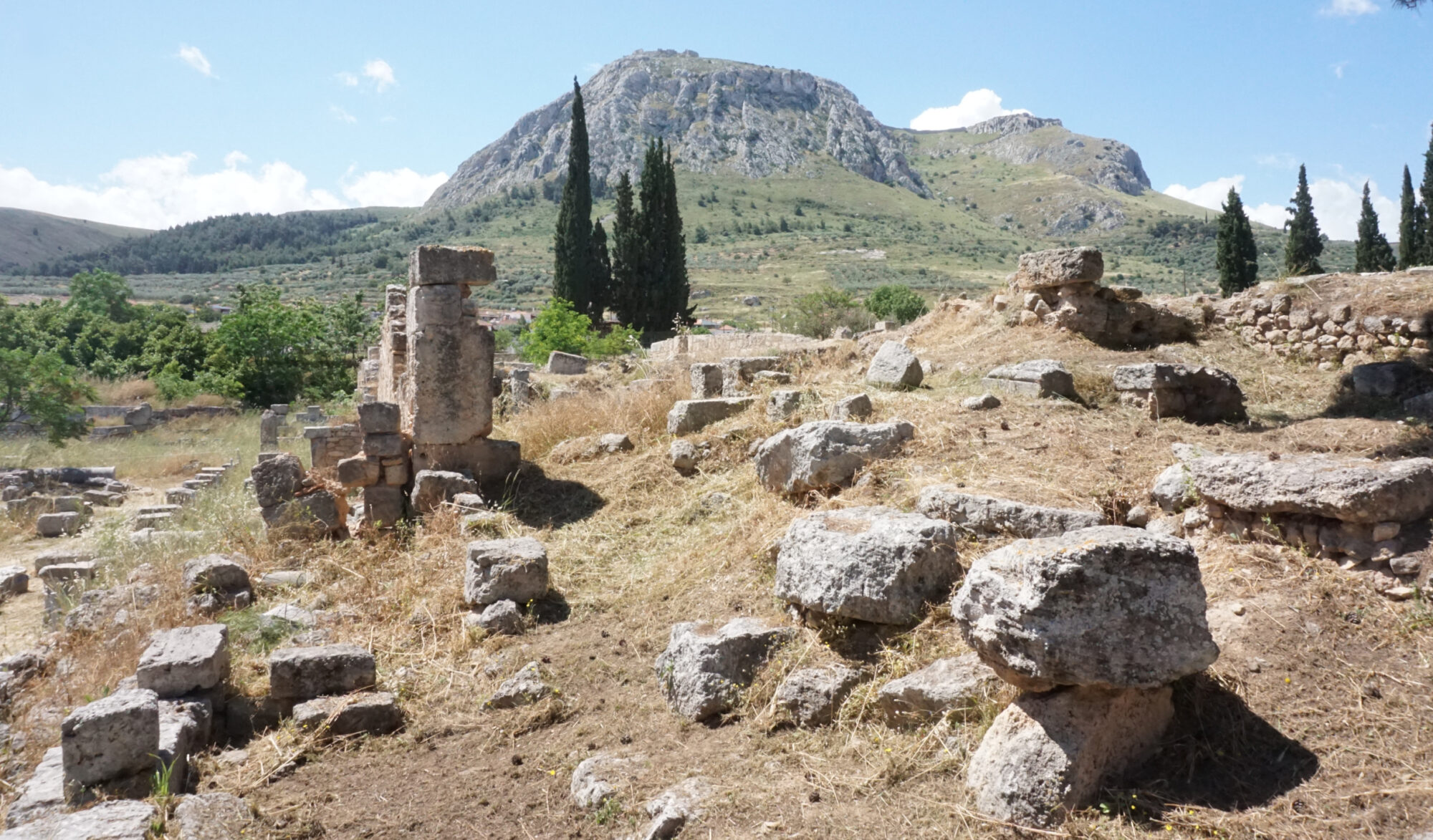
Landscape view of distant mountains with a foreground of trees framing the mountain
Hebrews 10:23 (ESV)—Let us hold fast the confession of our hope without wavering, for he who promised is faithful.

I struggled with the Lookout Trail near Asheville. The stairs with 12-inch rises tested my muscular endurance, and the 623-feet elevation change in 1.4 miles strained the capacity of my lungs.

Still, I climbed upward and stopped, more than once, to catch my breath. All the while, my mind conjured the question, was the view at the top worth the struggle of climbing a mountain?

If I asked this question to the writer of Hebrews, the answer is yes, the struggle is absolutely worth it. The Christians in Hebrews wanted to cling to their old sacrificial system, which required repeat sacrifices, but they did not need to. Instead, to let go, they needed to remember the times their faith yielded joyfulness and compassion in the face of reproach.

In other words, our perseverance comes from remembering God’s faithfulness during our struggles. The memories color our future with strongly rooted trunks to help us ascend the path, and each step leads us closer to the panoramic view of “a better possession and an abiding one” (Hebrews 10:34).

With this reward and these memories in mind, we can walk with confidence along the difficult path because we know he’ll be faithful until the end.

Tossing Fears Aside

Seaweed floating in the ocean
Hebrews 2:1 (ESV)—Therefore we must pay much closer attention to what we have heard, lest we drift away from it.

The soft brush of stringy tentacles wrapped around my leg; it was as if I’d run into a spider web, only I was knee deep in the Atlantic Ocean. Cue a shudder.

Deep down I knew the source of the underwater creature, but still my mind said, “Please not a shark!”

At another bump against my leg, I plunged my hand in, grabbed the offending entity, and flung the seaweed away from me. Toward the other seaweed floating in the waves, not to mention the seaweed along the shoreline.

The unknown creatures of the (knee) deep can cause us to lose our grip on reality. The little bumps in our journey may make us feel lonely. Maybe we question God’s purpose for our struggles because our worst fear came true. Or maybe the little fears have us dreaming up the worst-case scenario (nothing like seaweed to make your brain scream, “Jellyfish!”)

Our deep-down truth, though, is God has paid for our salvation. This message moors us to God. Loneliness is a human emotion, but in these moments we can talk with God as did Job and Jeremiah. Struggles happen, but God uses them to refine us and achieve his plan. And fears, love banishes them, so if we have God’s love, we do not have to fear.

The evidence of God’s love and plans surround us. The truth reminds us to not worry about the creatures living deep down in the unknown. We can toss away our fears like a handful of seaweed and trust in the knowledge that he has saved us.